
The First Omen (Mark Korven)
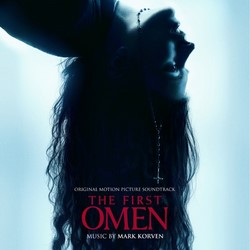
Mark Korven’s score for The First Omen is a masterclass in horror music, a cacophony of dark, scary, and chaotic sounds that unsettle the soul. The use of atonal music is particularly effective; it defies our usual sense of harmony, creating an atmosphere that is as unpredictable as it is unnerving. This lack of conventional harmony is a staple in the horror genre, challenging the listener’s expectations and heightening the sense of fear.
The First Omen, directed by Arkasha Stevenson, is a chilling prequel to the classic horror film The Omen. Starring Nell Tiger Free, Tawfeek Barhom, Sônia Braga, Ralph Ineson, and Bill Nighy, the film delves into the dark origins of the Antichrist. Critically acclaimed and with a box office gross of $50.6 million, it has made its mark as a worthy addition to the franchise.
The haunting score is composed by Mark Korven, known for his spine-tingling work on films like The Witch and The Lighthouse. His collaboration with Stevenson has birthed a soundtrack that’s as dark and disturbing as the film’s premise.
Korven’s The First Omen is often relentless, providing no respite from the tension. It amplifies the horror in every scene, ensuring that the audience is constantly on edge. Among the tracks, “It’s All For You” stands out with its female-lead operatic melody, serving as a recurring theme (or at least: sound) that echoes Elliot Goldenthal’s work on Alien 3. More importantly, Korven’s chanting choir reminds of (and occasionally references) Jerry Goldsmith’s work for The Omen and the album indeed concludes with a full blown rendition of “Ave Satani”. Compared to Goldsmith’s The Omen, Korven’s work is more overtly terrifying; I would say less subtle in its intention to make you sweat. There is virtually no let up from the terror. Goldsmith allowed for more traditional beauty thus really creating a false sense of peace. Also I guess audiences responded differently to scary movies back in the 1970s than they do today. I dare say, audiences today are less easily scared, so the music needs to ramp up the tension, more than it ever needed to do before.
There is beauty to be found in Korven’s work. Cues like “Vow Ceremony”, “Carlita’s Rescue”, “Skianna Files”, “Tableau of Hell” and “Plan Revealed” feature female religioso singing that, as I mentioned, reminds of Goldenthal’s use of such elements in Alien 3‘s “Lento”. In stark contrast, other cues allow those same singers to scream and squeal in a manner that reminds of György Ligeti’s “Requiem for Soprano […]”, known from the 2001: Space Odyssey soundtrack.
The quieter moments in the score are just as unsettling as the louder ones. They rely on slow, sustained string chords and low growling sounds—whispers in the dark that hint at the terror to come. In contrast, the intense sections scream with atonal harmonies and heightened volume, as if the music itself is a character in the film, participating in the horror. Korven’s use of light, nervously ticking percussion is a departure from the norm of heavy, thudding beats often found in modern scores. It’s like a ticking clock counting down to inevitable dread, adding a layer of anxiety. It’s also surprisingly organic, rather than sampled. The choir and female vocals add a human quality to the music, instilling it with a religious tone that is both beautiful and terrifying, depending on its context within the film.
Overall, the orchestration of The First Omen is a testament to Korven’s ability to craft a soundscape that is both technically impressive and emotionally impactful (read: disturbing). It’s a soundtrack that doesn’t just accompany the film but becomes an integral part of the storytelling, enhancing the horror and leaving a lasting impression on the listener. My first encounter with Korven’s soundtrack was one of unease. It’s not something you want to listen to, but you’re drawn in by the sheer curiosity of the sounds he conjures. It’s not music to sit-back-and-relax with; it’s music to frighten, and it does so very effectively. While it may not be memorable in the traditional sense, its technical execution and occasional homage to Goldsmith’s work make it stand out against the vast majority of modern horror scores. However, it’s not a soundtrack I’d recommend for casual listening—it’s far too unnerving for that. After experiencing it once, I doubt I’ll return to it, not because it’s not good, but because it’s terrifying—it’s meant to haunt. [23 tracks, 45m]
Article by Pete Simons (c) 2024 Synchrotones

 Synchrotones' Soundtrack Reviews
Comments are closed.